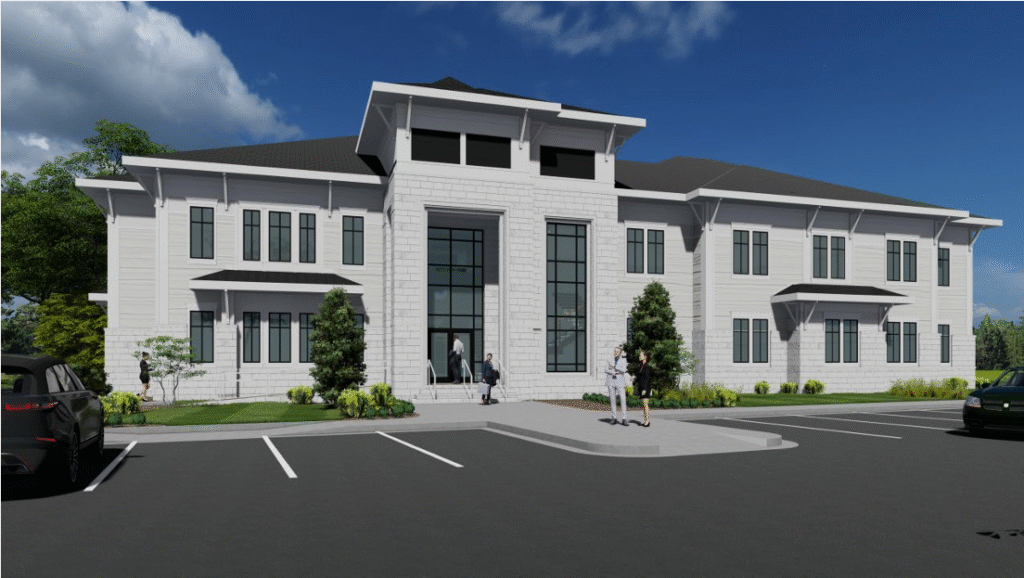

Pyle Financial Services is moving under a new roof right here in Myrtle Beach, SC.
How construction and financial plans go hand in hand
At Pyle Financial Services, we’re excited to see real progress on our new building — the land is cleared, the utilities are being mapped, and soon, the foundation will be poured. It’s an exciting stage that represents both anticipation and patience.
Just like any great structure, a successful financial plan starts with the right foundation. Before walls go up or details take shape, you must first clear away uncertainty, level your goals, and establish the framework that will support everything that follows.
For us, preparing the foundation of our new building means making sure every inch is stable, level, and ready to bear the weight of what’s to come. In wealth management, it’s no different. The “excavation, utilities and foundation” of a financial plan include:
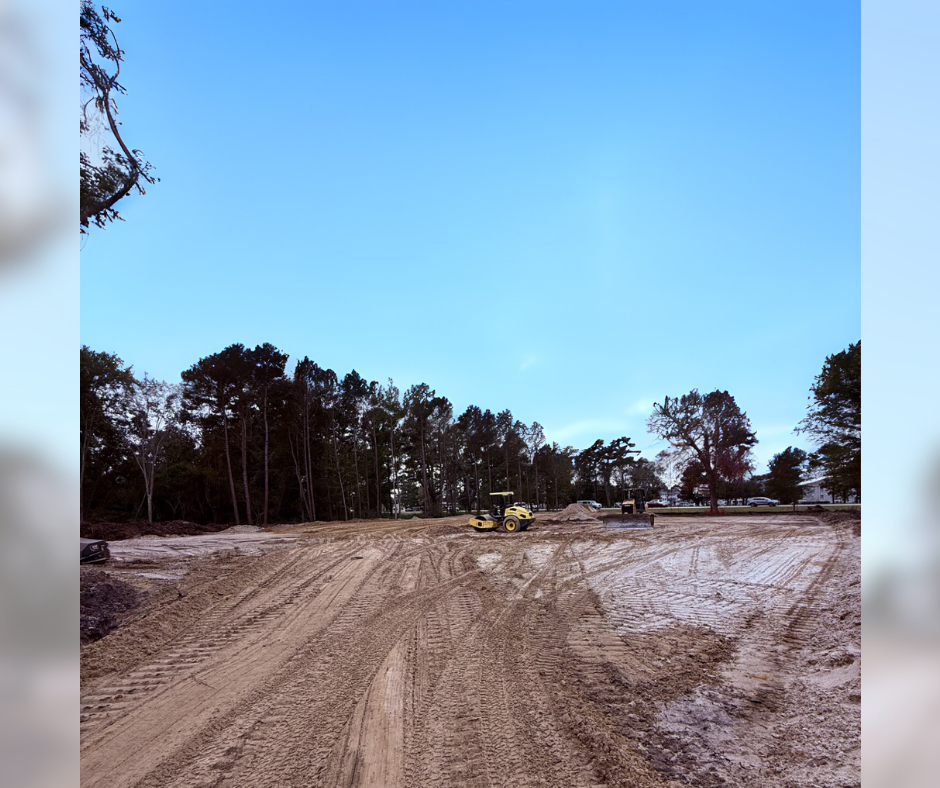
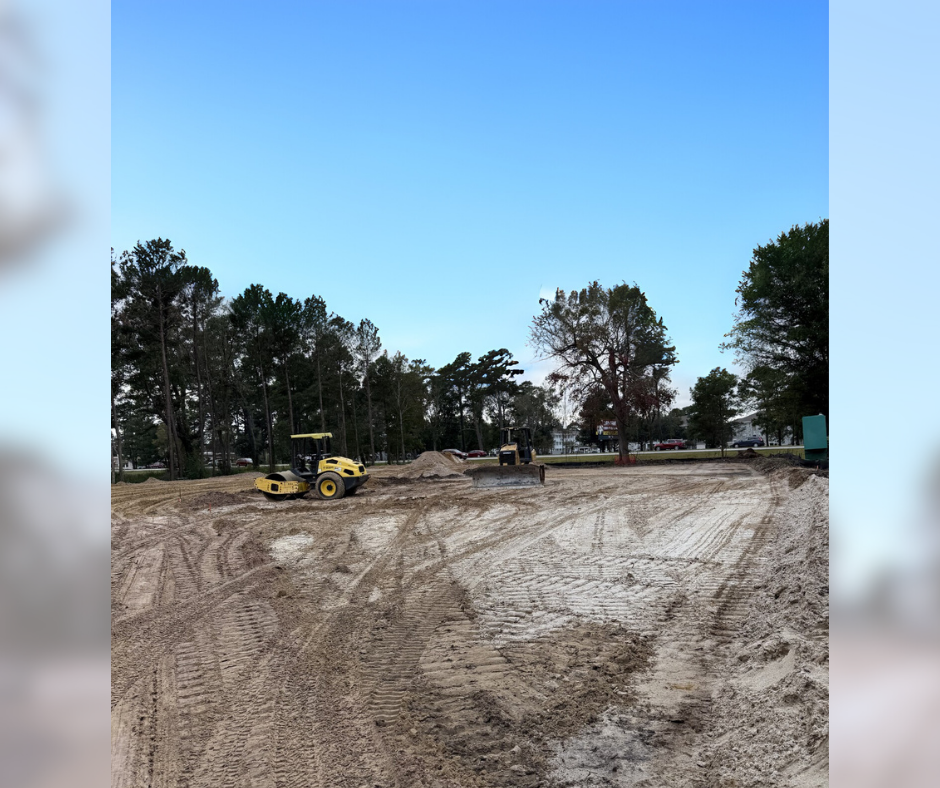
- Create Clear Goals (Excavation) — retirement, income needs, or legacy planning.
- Assessing your Current Resources (Utilities) — investments, income, and cash flow.
- Form the Right Strategy (Foundation) — tax-efficient plans, income generation, and growth opportunities.
Once those pieces are in place, everything built on top — from investment portfolios to estate strategies — has the stability and structure more likely to stand the test of time. Remember just like a building structure requires maintenance, so does your financial plan. Working with a fiduciary planning team allows your portfolio to be maintained on a regular basis. And if there is ever an emergency, just like Plumbing and HVAC companies, we are on call!
We’re thrilled to share this progress with you, both in our new physical home and in the way we continue helping families build their financial futures from the ground up & keep them well maintained.
Stay tuned as our new headquarters — and your wealth-building journey — continues to take shape! We will be updating this blog continually.
11/26/2025 Update
Keeping Things Flowing: What Construction Drainage Teaches Us About Financial Planning
Progress continues on our new building, and one of the most important phases is now complete: the installation of the sewers and drainage system. While it’s not the flashiest part of construction, it’s one of the most essential. Proper drainage ensures that water flows to the lowest point and is directed away from the building, the parking lot, and the landscape. Without it, water would pool, stress the structure, and create long-term problems.
Financial planning works the same way. Money, like water, is always moving. And without the right system in place, it can either drain you—or you can intentionally design a plan that drains in your favor.
When You Get Drained Financially
Just as water can collect where you don’t want it, your finances can suffer when the flow isn’t managed well.
This can happen when:
- You pay too much in taxes because of poor planning.
- Your portfolio is overexposed—either too conservative (missing growth) or too aggressive (adding unnecessary risk).
- Inefficiencies build up, the same way standing water creates problems over time.
These are the financial equivalents of a parking lot flooding because the drains weren’t installed correctly.
When You Intentionally Direct the Flow
But with thoughtful planning, you can control where your money drains—and even use that flow to your advantage. This includes:
- Smart tax planning to “KeepMore” of what you earn.
- Charitable giving and legacy strategies that direct resources toward the causes and people you care about.
- Tax-loss harvesting to reduce taxable gains and improve long-term efficiency.
- Asset allocation strategies that channel risk and reward in a way that supports your goals.
This is the financial version of a well-designed drainage system: guiding the flow intentionally so it protects your foundation and supports long-term stability.
As construction progresses on our new building, we’re reminded that good planning—whether for structures or finances—starts with knowing how to manage the flow. Keep it directed, keep it intentional, and keep it working in your favor.
It’s GROUNDBREAKING!
We are excited to share an important milestone in the growth of Pyle Financial Services — the official groundbreaking of our new building. This moment marks the beginning of an exciting new chapter for our firm as we continue to expand in order to better serve our clients and our community.
The groundbreaking represents more than construction progress; it reflects our commitment to thoughtful planning, strong partnerships, and long-term vision. As the project moves forward, we are focused on creating a welcoming space designed for collaboration, clarity, and meaningful conversations.
We look forward to sharing updates as the building takes shape and are grateful for the clients, partners, and community members who continue to support us. This new space is being built with the future in mind — one that allows us to grow alongside the families we serve.
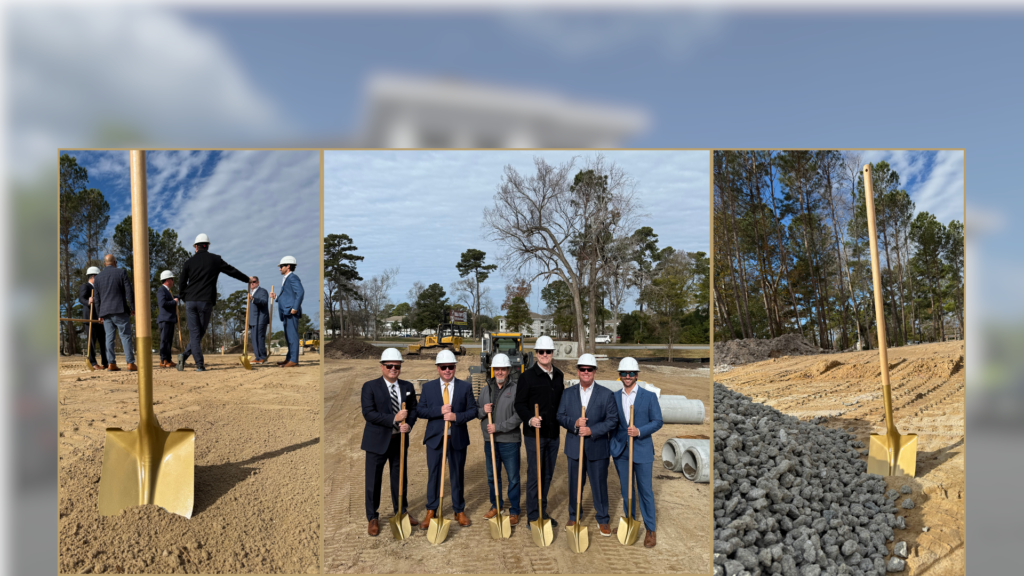
Photographed from left to right: Deck Dargan, Billy Howard, Greg McFarland, Scott Pyle, Damon Adcock, & Phil Dixon